Memory Foam Hot for Sleeping
Memory Foam Hot For Sleeping: Why It Makes You Sweat and What Works Better
Memory Foam Hot For Sleeping is not just a complaint people throw around. It comes from the way memory foam behaves under body heat and moisture. If you keep waking up sweaty, sticky, and uncomfortable, the mattress material may be the real problem.
Memory foam has become common in all kinds of products, but when it comes to sleep, it often creates the exact opposite of what people want. Instead of staying cool, dry, and supported, many people end up overheating and sinking into a surface that traps warmth.
Why memory foam runs hot
The big issue is breathability. Memory foam does not allow air and moisture to move through it well. Rather than helping heat escape, it tends to hold onto it.
A simple way to think about it is this: when moisture lands on memory foam, it does not move through the material easily. It stays near the surface. The same thing can happen with sweat during the night. Your body gives off heat and moisture, and the foam does not do a good job of releasing either one.
That is why Memory Foam Hot For Sleeping has become such a common concern. The material can feel cozy at first, but over time it often turns into a heat trap.
How body heat changes the feel of memory foam
Memory foam responds to heat by softening. As your body warms the mattress, the foam gives way more and more. That may sound appealing in theory, but it creates another problem.
As the surface softens, you sink deeper into it. The more you sink, the more of your body is surrounded by foam. When more of your body is enclosed, less air can circulate around you. That makes it even harder for heat to escape.
So the cycle goes like this:
- Your body produces heat.
- The memory foam warms up and softens.
- You sink further into the mattress.
- Airflow around your body decreases.
- You feel hotter and sweat more.
This is a major reason people describe Memory Foam Hot For Sleeping as such a frustrating experience. It is not only about the material feeling warm. It is also about the way the foam cradles the body and reduces ventilation.
Why sinking is not the same as support
One of the biggest misconceptions in mattress shopping is that a mattress that lets you sink deeply must be comfortable and supportive. Those are not the same thing.
When a material simply gives way under your weight, that does not automatically mean it is supporting your body properly. Support means the mattress pushes back enough to hold you in a healthier position.
If all a mattress does is soften under heat and weight, you may get a plush sensation, but not the kind of stable support your body actually needs through the night.
This is where the problem with memory foam goes beyond temperature. Memory Foam Hot For Sleeping often comes with that stuck feeling too. You do not just get warmer. You may also feel trapped in one position.
The alternative: latex foam
If memory foam traps heat and lets you sink, the alternative highlighted here is latex foam.
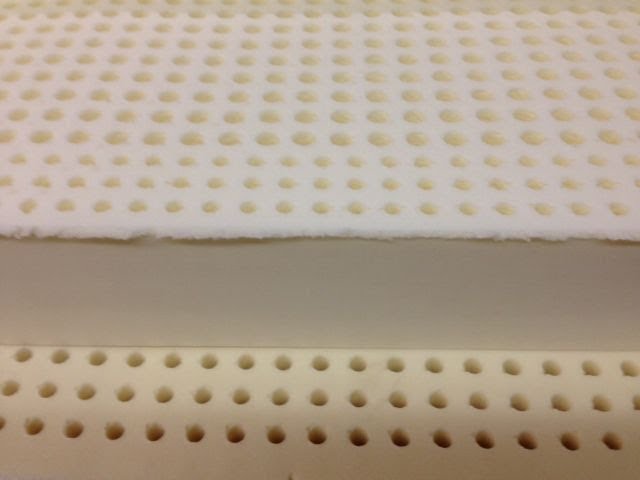
Latex foam is described as an open cell foam. That matters because open cell structure allows the material to breathe better. Air can move more freely, and that helps with temperature regulation.
Instead of holding onto heat and moisture, latex foam is built to allow more circulation. That breathing quality is the key difference.
For anyone tired of dealing with Memory Foam Hot For Sleeping, latex is presented as the better path because it addresses the root issue: airflow.
What “push back” means and why it matters
Another important difference is how latex responds under pressure. Latex does not just collapse and stay compressed. It pushes back quickly.
That quick response is what gives it support. Rather than swallowing your body, it helps hold you up. This creates a sleep surface that feels more resilient and less smothering.
That push back matters for two reasons:
- Support: Your body gets the resistance it needs instead of dropping too far into the mattress.
- Breathability: Because you stay more on the mattress rather than buried in it, air can move around you more easily.
When people say Memory Foam Hot For Sleeping, they are often reacting to both issues at once. They are too warm, and they are sinking too much. Latex approaches both problems differently.
Why open cell foam helps with night sweats
If you regularly wake up damp or overheated, your mattress may be contributing more than you realize. A material that breathes poorly can turn normal body heat into a nightly struggle.
Open cell foam is important because it does not block heat and moisture the same way. Better airflow means a better chance of staying comfortable through the night.
That is the core argument against memory foam here. Memory Foam Hot For Sleeping is a material problem, not just a personal sleep issue. If the bed holds heat and moisture close to your body, sweating becomes much more likely.
Signs your mattress material may be the problem
If any of these sound familiar, your mattress may be working against you:
- You wake up sweaty on a regular basis.
- You feel heat building up beneath you as the night goes on.
- You feel stuck instead of supported.
- You notice the mattress gets softer as it warms up.
- You have trouble getting comfortable without overheating.
These are all reasons people start questioning whether Memory Foam Hot For Sleeping is more than a myth. In many cases, it is exactly what they are experiencing.
The simple takeaway
If your goal is better sleep, there is no real benefit in choosing a mattress that makes you sweat and leaves you sinking into a heat-retaining surface.
The argument is straightforward:
- Memory foam does not breathe well.
- It holds heat and moisture near the body.
- It softens with body heat.
- That extra softness causes deeper sinking.
- Deeper sinking reduces airflow and can make overheating worse.
- Latex foam breathes better because it is open cell.
- Latex also pushes back, which provides support instead of a trapped feeling.
For anyone struggling with Memory Foam Hot For Sleeping, that difference can be the deciding factor between waking up refreshed and waking up drenched.
Choose breathability and support over heat and sink
Your body needs two things from a mattress: support and the ability to stay comfortable through the night. A sleep surface that traps heat and lets you sink too deeply works against both.
That is why latex foam stands out as the better option in this comparison. It breathes. It responds quickly. And it supports instead of swallowing you.
If night sweats have become part of your routine, it may be time to stop blaming the room, the weather, or your bedding alone. The mattress itself may be the real reason Memory Foam Hot For Sleeping keeps showing up as a problem.
Made with VideoToBlog using Does Memory Foam Make You Sweat? Here’s Why You Should Say No To Memory Foam



