What You Need to Know About DIY Mattresses
How to Build a DIY Mattress and Save Big with Latex, Coils, and Foam
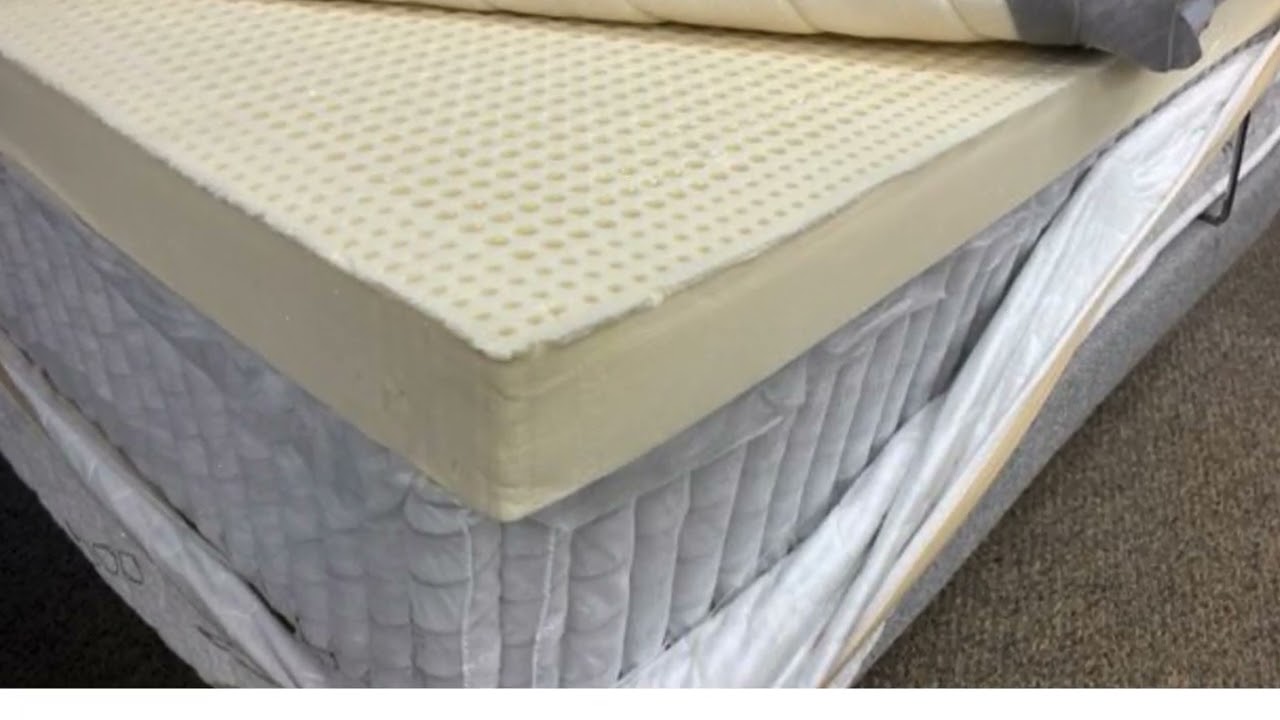
How to build a DIY mattress is a question more people are asking once they realize how much markup is built into many retail mattresses. If you want better control over comfort, higher-end materials, and the ability to make changes later, building your own mattress can be a smart way to save hundreds, and in some cases thousands, compared with a store-bought bed made from similar components.
The basic idea is simple. Instead of buying a finished mattress with hidden layers and limited flexibility, you build your own using individual components such as pocket coil springs, natural latex comfort layers, foam layers, and a zippered cover made to your exact size. That gives you a mattress you can customize now and adjust later if your comfort needs change.
Why build your own mattress?
One of the biggest advantages of learning how to build a DIY mattress is value. When you source the internal components directly, you are paying for the actual materials rather than a large retail premium, showroom overhead, and branding.
Just as important, a DIY mattress gives you control over what goes inside your bed. Instead of guessing what is under the fabric, you can choose the support system and comfort layers yourself.
- Lower cost for comparable materials
- Better customization for comfort and support
- Access to premium components like pocket coils and natural latex
- Future flexibility if your body or preferences change
- Replaceable layers instead of replacing the whole mattress
The core components of a DIY mattress
When thinking about how to build a DIY mattress, it helps to break the mattress into its main parts. A finished bed is really a stack of layers that each serve a different purpose.
1. Pocket coil springs
The support core is often the foundation of the mattress. In this design, the support comes from top-of-the-line pocket coil springs. Pocket coils are popular because they provide support while still allowing a more responsive feel than older connected innersprings.
They also pair well with comfort layers placed above them, especially latex. That combination can create a mattress that feels supportive, breathable, and easier to fine-tune.
2. Latex comfort layers
For the comfort portion of the mattress, all-natural latex layers are a standout option. Latex is commonly chosen for its pressure relief, resilience, and long-term durability. It does not have the same feel as standard memory foam. Instead, it tends to feel more buoyant and responsive.
If your goal is a high-quality mattress build, latex comfort layers can make a major difference in both feel and lifespan.
3. Foam layers
Foam can also be used as part of the design, depending on the comfort profile you want. In a DIY build, foam layers help you shape the feel of the mattress and can be combined with coils and latex to create the right balance of softness and support.
4. A zippered mattress cover
The piece that pulls everything together is the zippered cover. This is more than just an outer shell. A properly sized cover keeps the layers aligned and makes the mattress function as one complete unit.
A big advantage here is that the cover is made to exact sizing specifications. That means your components fit properly, and you retain access to the layers inside.
How to build a DIY mattress step by step
If you are serious about how to build a DIY mattress, the process comes down to choosing the right support core, selecting your comfort materials, and enclosing everything in a quality cover.
- Choose your mattress size. Start with the exact dimensions you want so every component matches.
- Select your support layer. Pocket coil springs form the main support base in this style of build.
- Add comfort layers. Natural latex is a premium option for comfort and pressure relief, and foam can also be part of the design.
- Match the cover to the build. A zippered cover made to your exact sizing helps hold the layers together correctly.
- Keep future adjustability in mind. One of the best parts of a DIY mattress is that you can reopen the cover and make comfort changes later.
This is where the DIY approach really separates itself from conventional mattresses. You are not locked into a permanently sealed product. If the feel is not quite right, or if your needs change over time, the mattress can be adjusted instead of discarded.
The real savings come from the materials
A major reason people look into how to build a DIY mattress is cost. High-quality materials like pocket coils and natural latex are often used in premium retail mattresses, but once they are packaged as a finished brand-name product, the price can rise dramatically.
By using those same categories of materials directly in a custom build, you can often get the comfort and quality you want without paying luxury retail pricing.
The value is not just in the initial purchase, either. Since a DIY mattress uses accessible internal components, there is also the potential to extend the life of the mattress by replacing or changing a layer rather than starting over with a completely new bed.
Why the zippered cover matters so much
It is easy to focus on coils and latex, but the cover deserves more attention than it usually gets. A zippered mattress cover is one of the most useful parts of the entire system.
Because it opens, it gives you direct access to the internal build. That matters if:
- Your comfort preference changes
- You want to swap out a layer
- You need to fine-tune the mattress after sleeping on it
- You want to protect your investment by keeping the internal design serviceable
That kind of access is a huge advantage. Traditional mattresses are usually sealed, so if the feel is wrong or changes over time, there is very little you can do. With a zippered cover, comfort changes can actually be made.
Customization is the whole point
The best answer to how to build a DIY mattress is not a one-size-fits-all formula. The real benefit is that you get to design the mattress around your own preferences.
Some people want the springy support of coils with the pressure-relieving feel of latex on top. Others may want to include foam as part of the comfort setup. The ability to choose those components yourself means you are building a bed around the way you sleep, not around whatever happened to be on a showroom floor.
That customization also makes it easier to pursue a mattress that feels more premium without paying a premium retail price.
What makes this approach practical
There are plenty of mattress ideas that sound good in theory but are difficult in practice. This approach is practical because it uses proven mattress materials and brings them together in a format that is both customizable and serviceable.
The key elements are straightforward:
- Quality pocket coils for support
- All-natural latex for comfort
- Optional foam layers depending on feel
- A made-to-size zippered cover to contain and access the build
That combination gives you a clear, modular path to a better mattress.
Final thoughts on how to build a DIY mattress
If you have been wondering how to build a DIY mattress, the process is really about choosing excellent components and putting them together in a way that gives you comfort now and flexibility later. With top-quality pocket coil springs, all-natural latex comfort layers, foam options, and a zippered cover sized exactly to your build, you can create a mattress that competes with far more expensive store-bought models.
The biggest takeaway is simple: a DIY mattress is not just a budget project. Done right, it is a smart way to get premium materials, personalized comfort, and long-term adjustability in one design.
Made with VideoToBlog using How to Build a DIY Mattress and Save Big $$ Latex -Coils-Foam Design Your Own DIY Mattress Today



